Join me in the 40 for the Future challenge!
Join me in the 40 for the Future challenge! For 40 days, I’m making simple changes to reduce my impact on the planet. Together, we can create a fairer, more sustainable world. Your support makes a difference—donate now and be part of this inspiring journey to tackle climate change!
My Achievements

I’m taking on the challenge

I have uploaded a profile picture

I have shared my page

I have received my first donation

I am halfway through the challenge

I have raised $100

I have raised $200

I have raised $500
My Updates
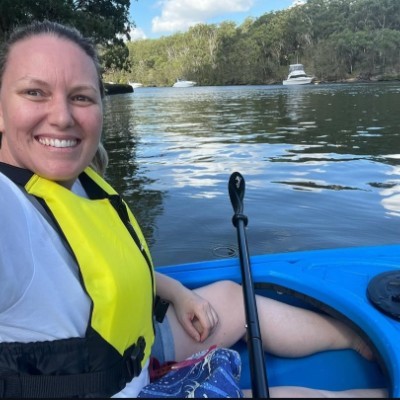
Thanks for supporting my 360 Kilometer Paddle!
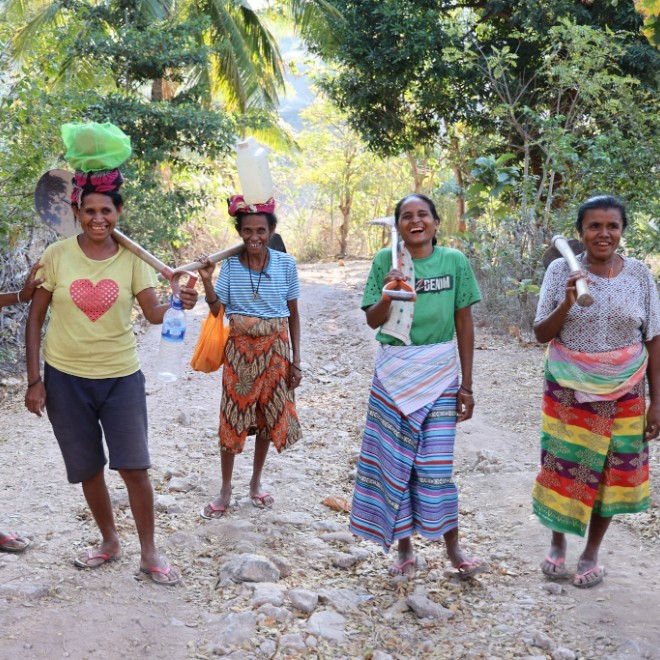
I'm fired up because we really can change lives through small acts of giving. Malnourishment in Timor Leste has led to almost 50% of children under 5 being malnourished. Food insecurity with changing climate is a main culprit in this. Communities want to make change to dried up crops that are not producing. With the right training and simple technologies they can! One village we worked in has had malnourishment reduced to zero. It's all about our partner giving people opportunities! Check this out. https://vimeo.com/1139896841?fl=pl&fe=sh
join our epic fundraising adventure!
Join our Revesby Uniting team. You can be more than a giver, you can be a fundraiser! The big day is March 21st. You can do a 20, 5 or 1 km paddle down the beautiful Georges River. Or maybe you'd prefer to walk? There'll be a 2 kilometer fun walk. Or you can just be a cheer leader joining our celebration picnic at the the beautiful Fitzpatrick park!
But here's the thing. If you are a paddler or a walker we'd love you to be a fundraiser. Get your friends to sponsor your paddle or walk! Invite them to the celebration picnic.
You in? If yes you can text or email Corbin on 0450 674 543 or community@revesbyuniting.org and she can set you up a fancy fundraising page like this one in seconds. Share the link to your page with friends and family and they can give online and will instantly receive an text deductible receipt.
So join in today and if you can't fundraise just give (I mean you should really give to my page right? hehe) Don't worry whoever you give to is part of team Revesby so it all tallies together.
More than anything join the picnic lunch Saturday March 21st! Its going to be a serious hoot!
Thank you to my Sponsors

$106.12
Sara & Bronwyn
$54.12
Brittany And Brendan Armstrong
Good luck Barry!
$54.12
Joanne Prior
Great work
$54.12
Anonymous
A great effort to all?
$54.12
Pat Redmond
$54.12
Ken Jennings
$106.12
Di & Baz Battese
Great work best of luck.
$200
Jackie Blue
Love your passion for padding, Barry! Thank you for being an advocate for the work of UnitingWorld 🚣♂️❤️🌏
$106.12
Scott Higgins
$54.12
Daphne Mitchell
Go Barry!
$50
Anonymous
$106.12
Christopher Leech
360km, that's fair.
$263.75
Barbara Higgins
$358.70
Anonymous
Well done Barry. Great way to link both of your passions. Re
$106.12
Sue Jennings
Happy rowing
$106.12
Maureen Robertson
Australians owe the people of Timor-Leste for protecting stranded Aussie troops during the Japanese invasion (WWII)
$106.12
Judy And Pete
Go for it! 👏👏
$106.12
Wil, Bridget, Nina + Toby
Great project Barry, good luck with it!
$43.60
Anonymous
Red 👠 stilettos rule
$520
Anonymous
Hoping for calm waters and no headwind. Enjoy the paddle Barry.
$100
Fiona Morgan
Good luck!!